Pregnancy and Back Pain: Safe Management Strategies
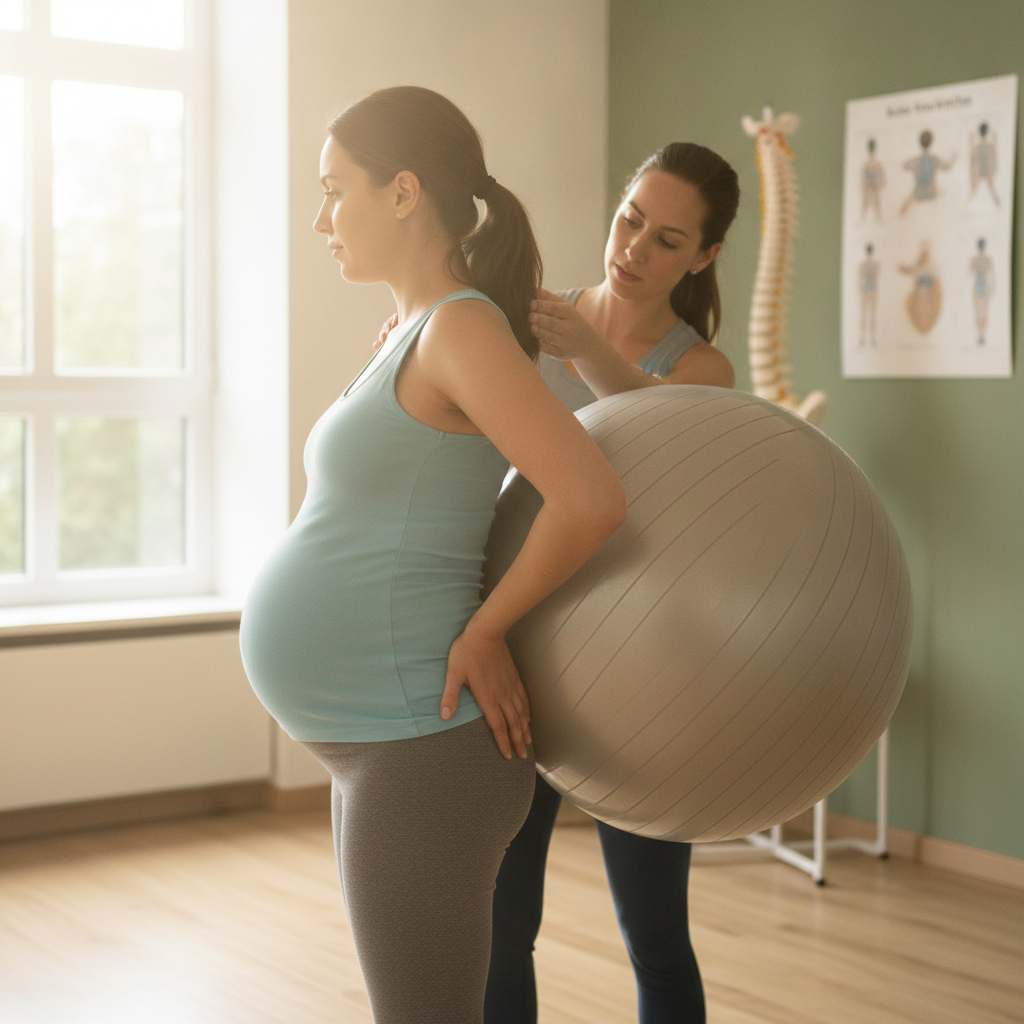
Back pain affects 50-70% of pregnant women. Multiple factors contribute: hormonal changes that loosen ligaments, postural shifts to accommodate the growing abdomen, and increased stress on the spine.
Hormonal Changes
Progesterone and relaxin hormones increase ligament laxity during pregnancy to allow pelvic expansion. However, this increased flexibility extends to all spinal ligaments, reducing stability. The effect is most pronounced in the second and third trimesters.
Postural Adaptation
The shifting center of gravity requires postural adjustments. Many women increase their lumbar curve excessively, straining the lower back. Pelvic tilts reduce this excessive curvature and relieve discomfort.
Safe Exercise During Pregnancy
Moderate exercise continues to be safe and beneficial. Walking, swimming, and prenatal yoga are excellent choices. Strength training can continue with modifications—lighter loads and avoiding excessive abdominal pressure.
Stay hydrated, as dehydration increases muscle cramping and tension. As the abdomen grows, avoid deep forward bends and twisting movements.
Pelvic Support
Maternity belts provide external support to the pelvis and lower back, taking stress off ligaments. Many pregnant women report significant relief from belt use, especially in later trimesters.
Sleep Positioning
Side sleeping becomes essential as pregnancy progresses. Place pillows between your knees, under your abdomen, and behind your back for optimal support.
When Pain Persists
Most pregnancy-related back pain resolves after delivery. However, some women experience persistent pain due to postpartum structural changes. Consistent core rehabilitation after clearance from your doctor typically resolves postpartum pain.
Safety Considerations
Avoid deep spinal manipulation and high-force adjustments. Gentle manual therapy and movement-based approaches are safest during pregnancy.