Hydration and Weight Loss: Water's Metabolic Impact Often Overlooked
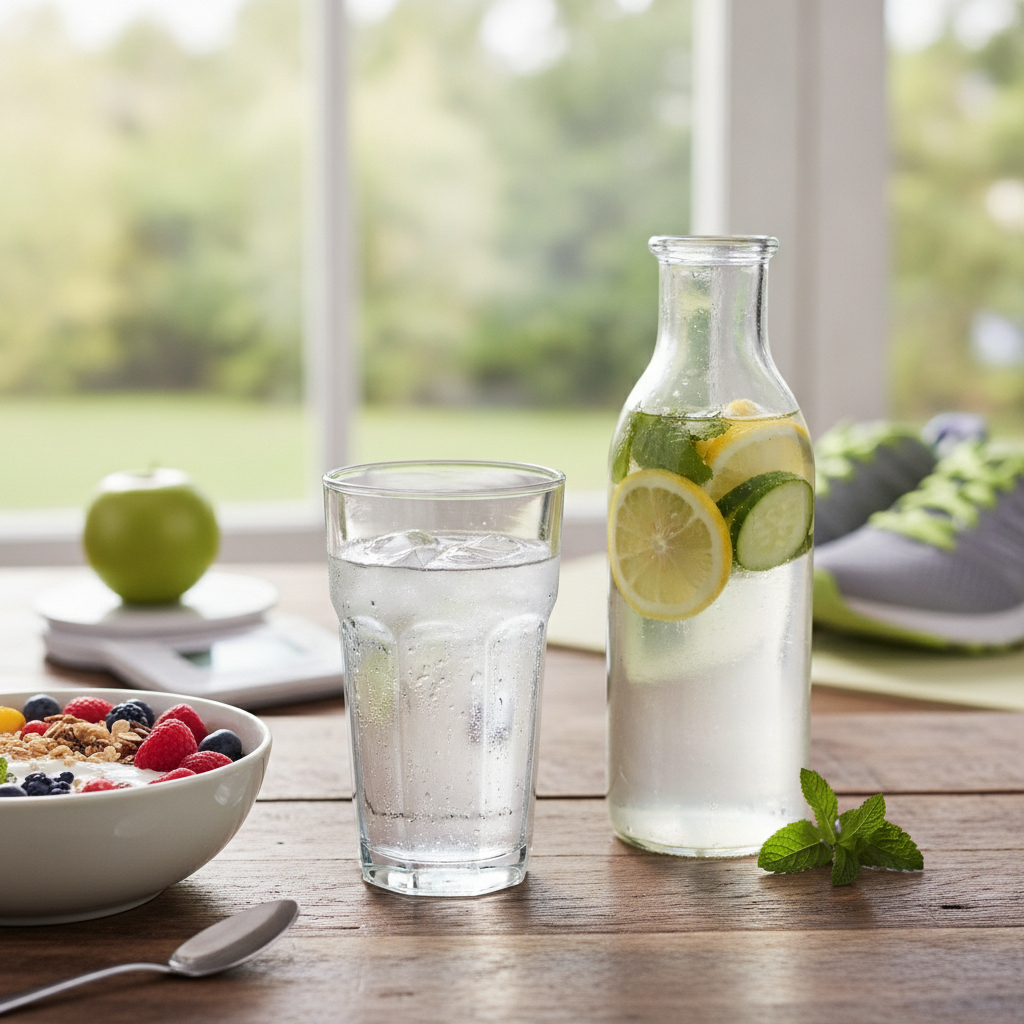
Most weight loss discussions focus on food while overlooking a free, accessible tool: adequate water intake. Proper hydration increases metabolic rate, improves workout performance, and reduces unnecessary snacking driven by thirst misinterpretation.
The Thermogenesis Effect
Drinking water temporarily increases metabolic rate through a process called thermogenesis. Consuming one liter of water increases calorie expenditure by approximately 100 calories over the following hour. This effect is particularly pronounced when water is cold.
The mechanism: your body must heat cold water to body temperature, consuming energy in the process.
Hydration and Appetite
Thirst is frequently misinterpreted as hunger. Many snacking urges actually reflect mild dehydration. Before reaching for food, drinking water clarifies whether genuine hunger exists. Research shows people who drink water before meals consume 23% fewer calories.
Optimal Hydration Strategy
Calculate your baseline: half your body weight in pounds equals your baseline hydration in ounces. A 200-pound person requires approximately 100 ounces (roughly three liters) daily. This increases with exercise, heat exposure, and caffeine consumption.
Morning: Upon waking, drink 16-24 ounces to rehydrate after sleeping. Throughout the day: Sip consistently. Pre-meal: Drink 16 ounces 20 minutes before eating. Exercise: 16-24 ounces for every hour of training.
Practical Implementation
- Keep a water bottle visible at your desk
- Set hourly phone reminders
- Drink tea (herbal, green, or black) throughout the day
- Add natural flavor (lemon, cucumber, berries) for variety
- Track total intake on your phone
Performance Enhancement
Just 2% dehydration impairs athletic performance and recovery. Proper hydration improves strength, endurance, and recovery quality. This compounds into better training results and accelerated fat loss.
The Sodium Balance
Electrolyte balance becomes important with high fluid intake and exercise. Include salt in meals to maintain sodium balance. During intense exercise lasting over an hour, consider electrolyte supplementation.
Timeline
Days 1-3: Increased urination as your body flushes accumulated waste. Week 1: Improved energy and reduced cravings. Weeks 2+: Noticeable improvement in exercise performance and recovery.