Foodomics Research Maps How Diet Alters Body Metabolites
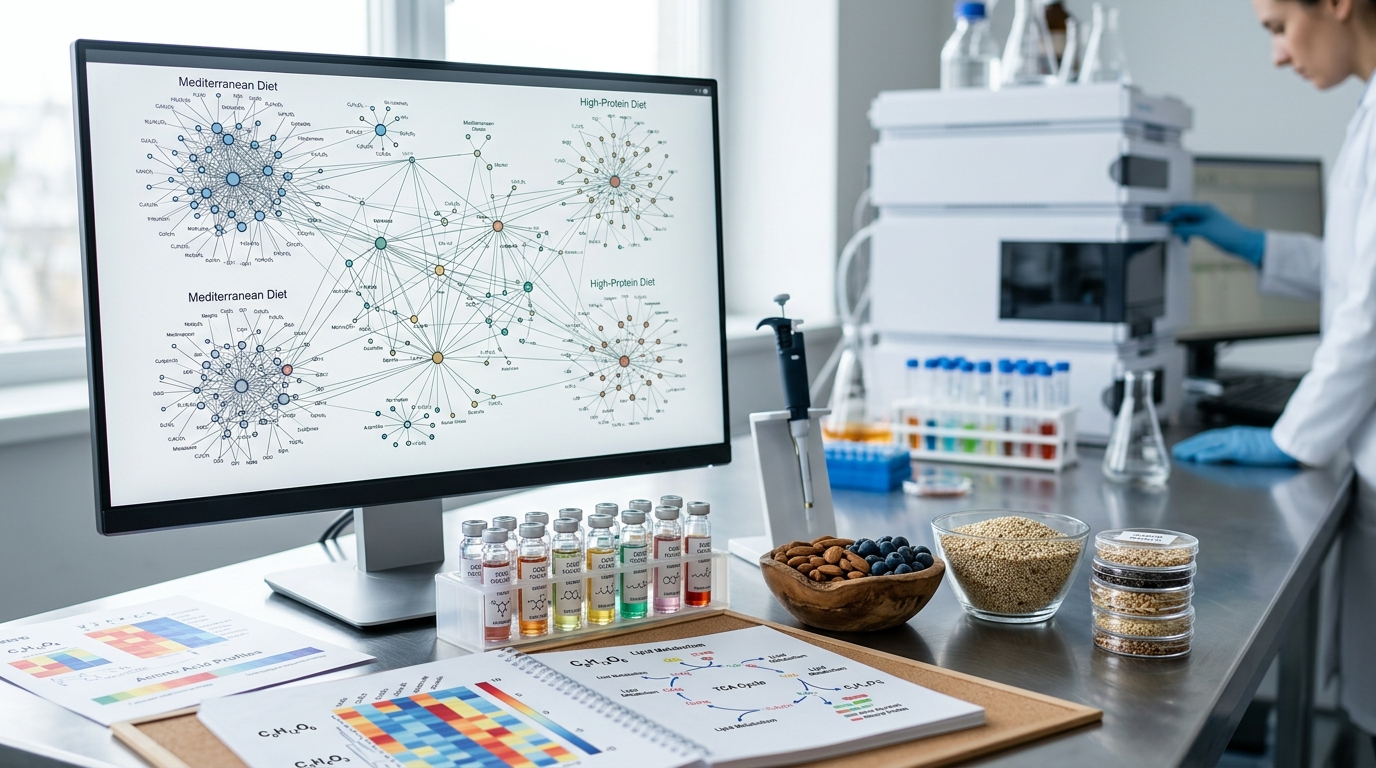
Foodomics represents the frontier of nutritional science, combining genomics, proteomics, and metabolomics to understand how food interacts with our biology at the molecular level.
What Is Foodomics
The term describes a comprehensive approach to studying food and nutrition through advanced omics technologies. Rather than looking at single nutrients in isolation, foodomics examines the entire cascade of molecular changes when we eat.
Mapping Metabolic Pathways
Recent studies use mass spectrometry to track how specific foods alter our metabolome. Researchers can now trace how polyphenols from blueberries are metabolized by gut bacteria into compounds that reduce neuroinflammation.
Implications for Personalized Nutrition
Two people eating the same meal can produce vastly different metabolic responses, depending on microbiome composition, genetic variants, and existing metabolic health. Companies are beginning to offer metabolomic testing for individualized nutrition.
The Gut-Brain Connection
Foodomics research has been illuminating in understanding the gut-brain axis. Specific dietary patterns produce metabolites like short-chain fatty acids that directly influence neurotransmitter production and mood regulation.
Current Limitations
The field faces challenges in standardization and data interpretation. The volume of data requires sophisticated computational tools, and translating findings into practical dietary advice remains complex.