Benign Prostatic Hyperplasia: Understanding BPH Symptoms
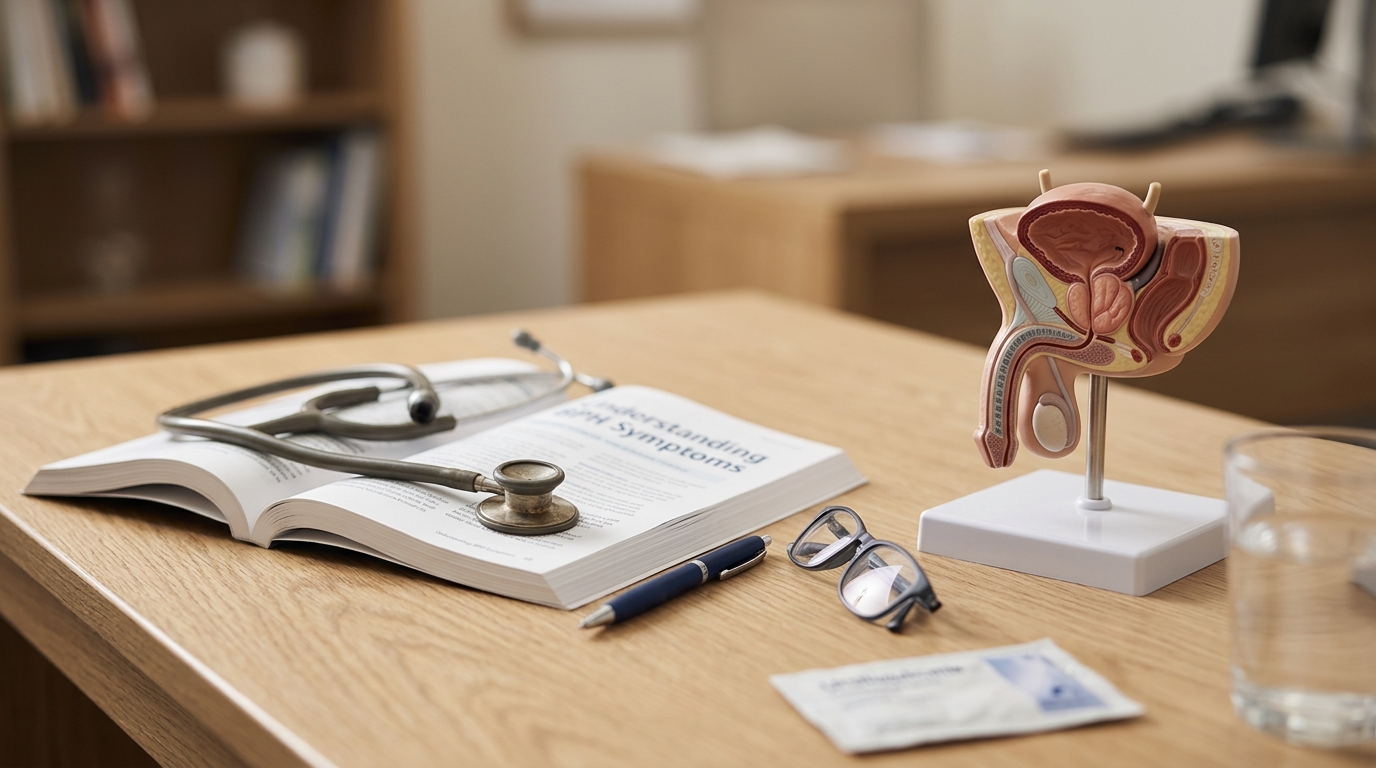
What is BPH?
Benign prostatic hyperplasia is age-related prostate enlargement. It's not cancerous and doesn't cause cancer, but it's extremely common in aging men.
As the prostate enlarges, it compresses the urethra, restricting urine flow and causing symptoms.
Prevalence by Age
- 50% of men by age 60
- 70% of men by age 70
- 90% of men by age 90
Most men experience BPH at some point; for many, symptoms are minimal and don't require treatment.
Symptoms
Lower urinary tract symptoms:
- Frequent urination, especially at night (nocturia)
- Weak or interrupted urine stream
- Difficulty starting urination
- Straining to urinate
- Feeling of incomplete emptying
- Urgency
Symptoms range from minimal to severely impacting quality of life. Not all BPH causes symptoms.
Distinguishing BPH From Other Conditions
Urinary tract infection (UTI) causes similar symptoms but develops suddenly and is temporary.
Prostate cancer causes similar symptoms but involves abnormal cell growth rather than benign enlargement. PSA testing and imaging distinguish between conditions.
Overactive bladder involves frequent urination but different mechanism.
Symptom Severity Scoring
Healthcare providers use standardized tools to assess symptom severity and determine if treatment is needed. Mild symptoms often don't require intervention.
Conservative Management
Lifestyle modifications often reduce symptoms:
- Limit evening fluid intake
- Reduce caffeine and alcohol
- Empty bladder completely
- Scheduled bathroom visits
- Double voiding (empty, wait a minute, empty again)
- Regular exercise
Medical Treatments
Medications:
- Alpha-blockers relax smooth muscle, improving flow
- 5-alpha reductase inhibitors shrink the prostate
- Combination therapy when one medication insufficient
Procedures:
- Transurethral resection of prostate (TURP)
- Laser therapies
- Urethral stents
Treatment depends on symptom severity and impact on quality of life.
Monitoring
Even without treatment, regular monitoring ensures symptoms don't worsen or complications don't develop. Serious complications like urinary retention require prompt evaluation.